Phone:
055 845 4939
Email:
info@sunlighttentshades.com

Phone:
055 845 4939
Email:
info@sunlighttentshades.com
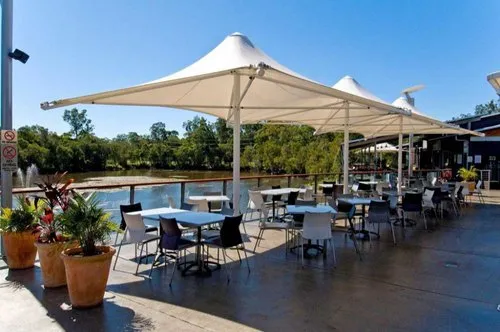
Protect outdoor furniture from sun, heat, rain, and wear with effective shade, ventilation, covers, cleaning, storage, and regular maintenance.
Outdoor furniture is designed for exterior conditions, but no material is completely unaffected by sunlight and weather. Ultraviolet rays can fade fabric, dry timber, weaken finishes, and make plastic brittle over time. Heat can also make metal surfaces uncomfortable to touch. A carefully selected sunlighttentshades system reduces direct exposure and helps outdoor furniture remain attractive and usable for longer.
Wood needs protection from moisture and repeated drying. Metal can resist weather well when its coating remains intact, but scratches may expose it to corrosion. Synthetic wicker is often durable, while cushions and upholstery are usually more vulnerable to fading and dampness. Before choosing a cover or shade, identify which parts of the furniture need the greatest protection. A broad overhead shade may protect surfaces, while removable covers help with overnight storage.
Shade is most effective when it covers the furniture during the hours of strongest sunlight. Track how shadows move across the area instead of assuming that a single fixed position will work all day. Retractable systems offer control when conditions change. Side panels may help when sunlight arrives from a low angle. The goal is not necessarily to keep the furniture covered at every moment, but to limit unnecessary exposure while preserving ventilation.
Cushions should be made from outdoor-rated materials, but they still benefit from protection. Store them in a dry, ventilated place when the furniture is not being used for long periods. Avoid sealing damp cushions inside airtight containers because trapped moisture can create odors and mildew. Clean spills quickly and follow the care instructions for the fabric. Shade can reduce fading, but it does not replace proper cleaning and storage.
Weather protection must not create a damp enclosure. Allow air to circulate around furniture and make sure water can drain away from the patio. Do not leave fabric folded while wet unless the product instructions specifically allow it. After rain, open the shade when conditions are safe so it can dry thoroughly. Check gutters, nearby trees, and drainage paths because overflowing water can damage furniture even when the overhead shade is working correctly.
Protection begins with a sound installation. Check brackets, fasteners, arms, seams, and fabric tension at regular intervals. Look for unusual movement, fraying, rust, or water pooling. If anything appears damaged, stop using the system until it has been assessed. A reputable sunlighttentshades solution should be selected with the local wind and weather conditions in mind.
Dust surfaces regularly, wash fabric as directed, tighten or replace hardware when needed, and store portable items before severe weather. Avoid harsh chemicals that can damage coatings or waterproof treatments. These small actions are less expensive than replacing an entire furniture set. Combining shade, ventilation, covers, and regular maintenance gives outdoor furniture the best chance of lasting through many seasons.
Good furniture protection is not about hiding your outdoor space. It is about making the space more comfortable while reducing avoidable wear. With a practical shade plan, your patio can remain welcoming, colorful, and ready for use.