Phone:
055 845 4939
Email:
info@sunlighttentshades.com

Phone:
055 845 4939
Email:
info@sunlighttentshades.com
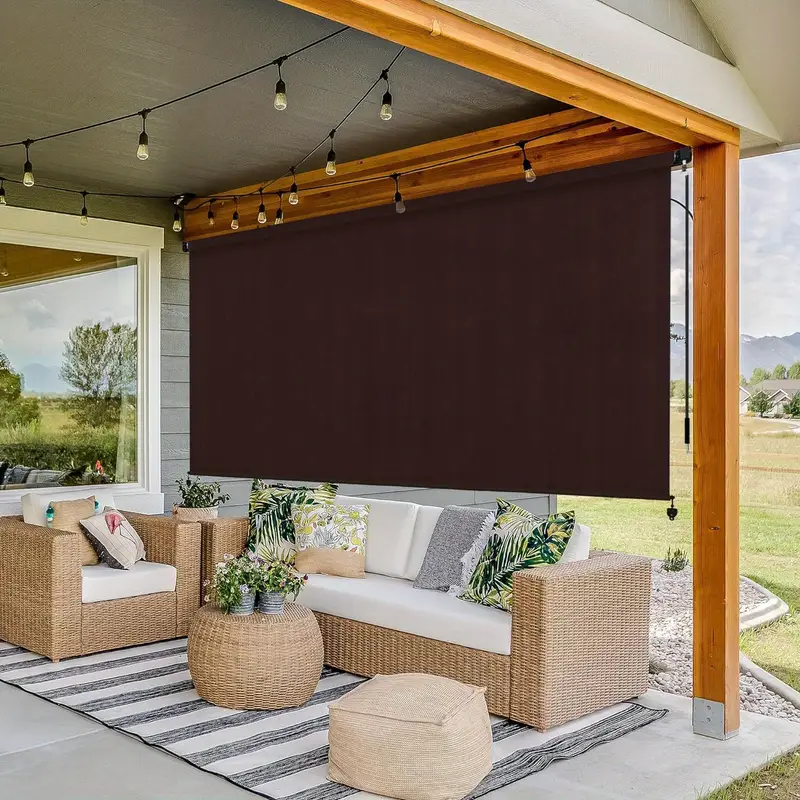
Learn how to choose the right outdoor shade for your home by comparing purpose, sun position, materials, operation, style, and maintenance needs.
Creating a comfortable outdoor area can transform the way you use your home. A patio, terrace, balcony, or garden becomes much more enjoyable when it is protected from intense sunlight, sudden showers, and excessive heat. The right shade solution also adds style and can help protect outdoor furniture from fading. Homeowners researching sunlighttentshades often want a practical product that looks good, lasts for years, and suits the size and design of their property.
Before choosing a shade, decide how you plan to use the space. A dining area may need broad, even coverage, while a small seating corner may require a compact awning. If the area is next to a window, reducing glare and indoor heat may be the main goal. If you entertain guests, flexibility and easy operation may be more important. Defining the purpose first prevents you from choosing a product that is attractive but unsuitable.
Sunlight changes throughout the day and across seasons. Observe when the area becomes uncomfortable and identify whether the sun arrives from the front, side, or overhead. A retractable awning can be useful when you want shade at certain times but open sky at others. A canopy or fixed structure may be better when consistent protection is required. Take measurements at several points and account for the projection of the shade, not only its width.
Outdoor fabrics should resist ultraviolet exposure, moisture, mildew, and repeated opening and closing. Strong frames are equally important because wind places stress on every connection. Ask about fabric treatment, stitching, frame finish, cleaning requirements, and replacement parts. A well-made sunlighttentshades solution should combine durable materials with a design that is easy to maintain. Darker fabrics may provide a dramatic look, while lighter colors can create a bright and airy atmosphere.
Manual systems can be simple and affordable, particularly for smaller installations. Motorized systems are convenient for larger shades or hard-to-reach locations. Some homeowners may also want sensors or smart controls, but these features should be selected according to real needs rather than added automatically. Clean fabric according to the manufacturer’s instructions, remove leaves promptly, and retract the shade during severe weather unless it is specifically designed for those conditions.
Color, shape, and mounting position affect the overall appearance of a property. Select a fabric that complements the walls, windows, roof, and existing outdoor furniture. A carefully planned shade should look like part of the home rather than an afterthought. Check local building rules and confirm that the wall or structure can safely support the selected product.
Compare measurements, weather exposure, material quality, operating method, warranty, installation requirements, and long-term maintenance. Do not choose only by the lowest price. A reliable shade provides comfort, protects furnishings, improves outdoor usability, and can add value to your property. With clear planning, sunlighttentshades can help you create an outdoor space that is practical, attractive, and comfortable in every season.